
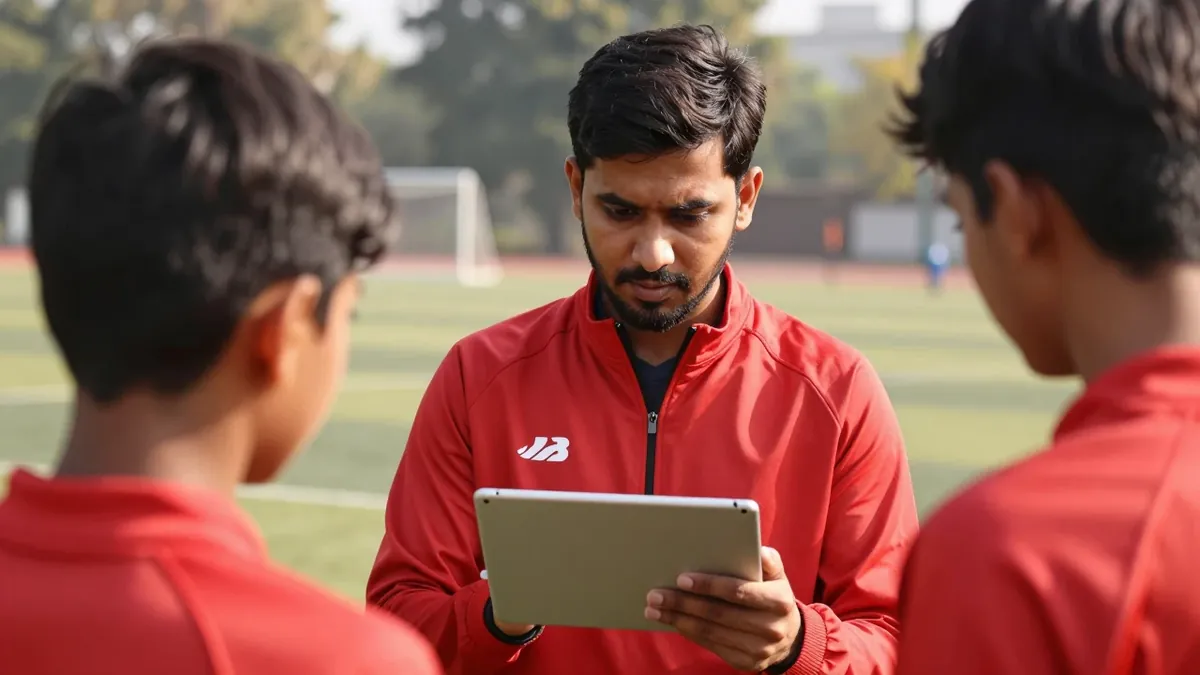
Bayern Munich is executing an ambitious strategy to conquer the Indian football market. NDTV Sports reported this week on the club's plans that extend far beyond the pitch.
The German record champions view India as one of the most important growth markets for the future. The focus isn't solely on selling more jerseys. Instead, the club is expanding its presence through digital content, partnerships with local brands, and targeted youth development programs. A Bayern representative told NDTV: "We want to build a genuine emotional connection with the fans."
What does Bayern's India strategy involve?
The club is employing a mix of online engagement and physical presence. This includes specially produced content in Hindi and other regional languages for social media platforms. Bayern is also actively seeking partnerships with Indian companies to boost brand awareness. A core component is the establishment of football schools and training camps designed to nurture young talent while imparting the Bayern philosophy.
These activities are part of a long-term vision. The Indian market, with over a billion inhabitants and a growing middle class, is hugely attractive. The Bundesliga itself is already seeing rising TV viewership in the region. Bayern aims to harness this general enthusiasm for German football and channel it towards its own brand.
Why is the Indian market so significant?
The economic potential is enormous. India has one of the world's youngest populations, and the number of football enthusiasts is growing rapidly. For top international clubs like Bayern, it's about much more than merchandising. It's a competition for the loyalty of the next generation of fans, who often discover their favorite team through digital channels.
Bayern's push comes as the club strengthens its international standing. You can follow the latest on the team's composition on our squad page. Success in markets like India can, in the long run, influence the club's global marketing power and, consequently, its financial capabilities.
What challenges does Bayern face?
The biggest rival in the fight for Indian hearts is English football. The Premier League has been extremely popular on the subcontinent for decades and holds a substantial lead. Furthermore, cricket remains the unchallenged national sport. Therefore, Bayern must compete not only against other football clubs but also against an entrenched sports culture.
The strategy requires patience and continuous investment. A quick return on investment is not expected. Instead, the club is banking on building a sustainable relationship that will bear fruit over decades. The development of its own youth academies on the ground is a signal of this long-term commitment.
What does this mean for the future?
With these steps, Bayern Munich is positioning itself as a global actor that remembers its roots while expanding its horizons. The activities in India serve as a test case for international brand expansion. If the strategy proves successful, it could become a blueprint for other emerging markets in Asia.
The coming years will show if FCB can establish a lasting fanbase in India. The path involves authentic storytelling, accessible idols, and a clear commitment to developing football locally. The current league standings and the team's performance naturally remain central, as shown in our standings page.