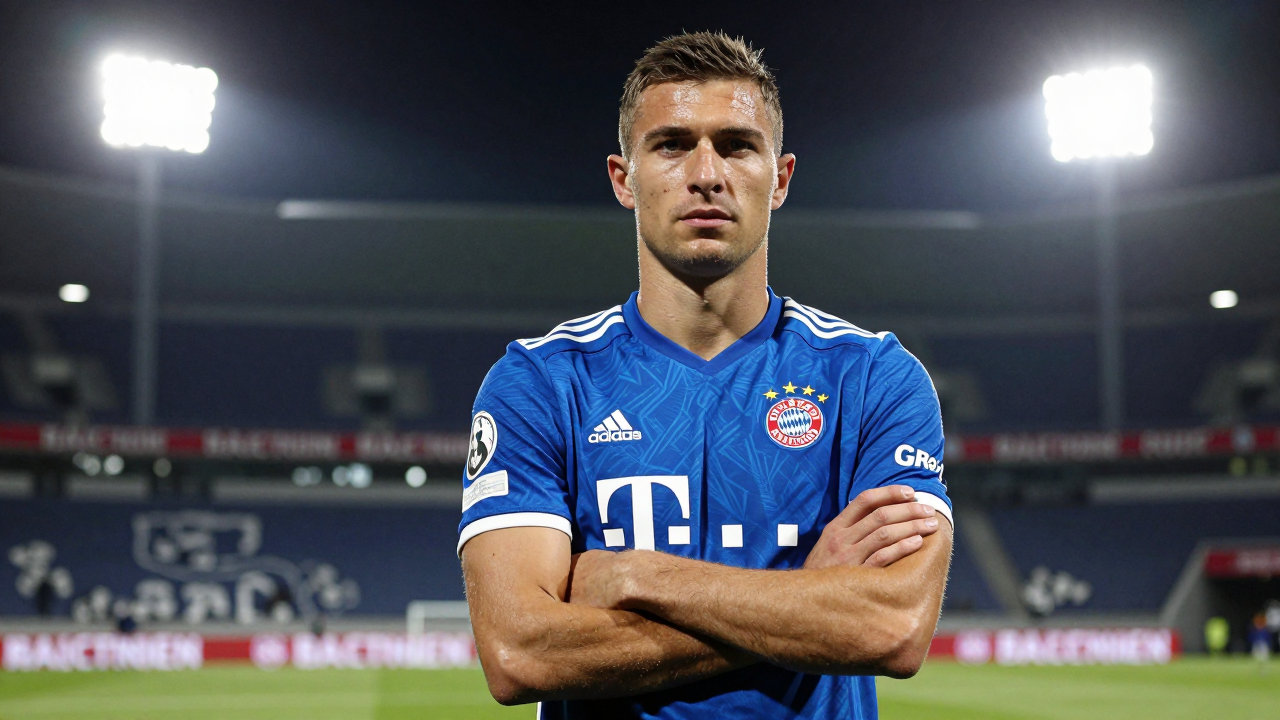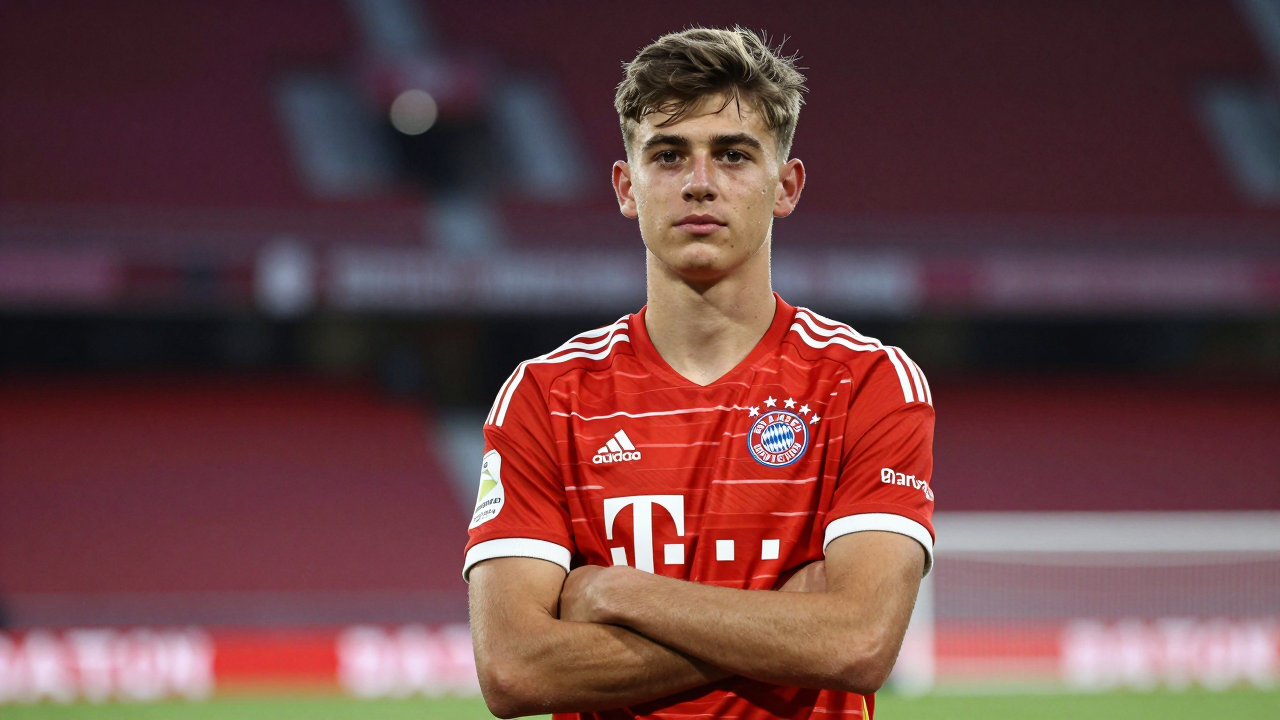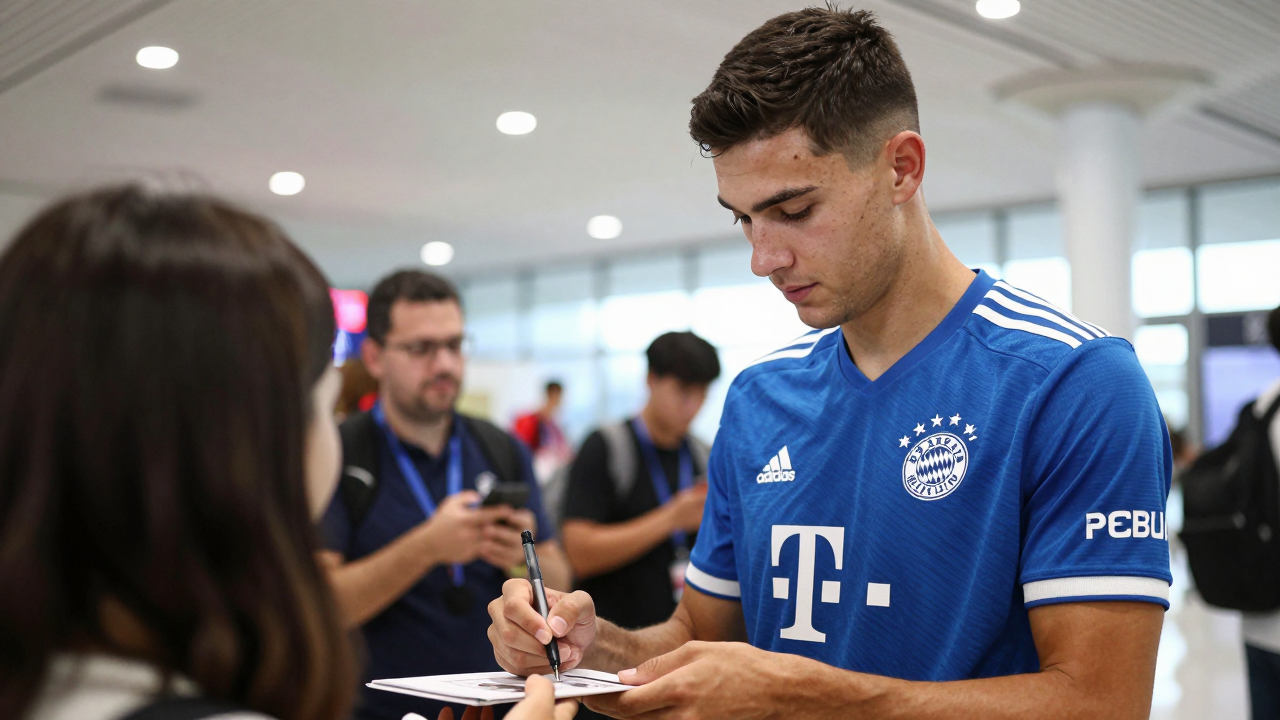
Bayern Munich have signed fast, space‑aware left‑back Nathaniel Brown, who has already pinpointed the areas he wants to improve. The young defender stresses that he uses his pace but needs to work on his heading and his tracking back. Currently sidelined: Lennart Karl and Serge Gnabry are absent.
What weaknesses does Brown see in himself?
Brown names his aerial ability as the biggest gap in his game. In the Bundesliga, where crosses often lead to goals, a reliable header is essential for a full‑back. He also mentions "tracking back" – the quick return to defense when Bayern lose possession. This self‑assessment shows a mature awareness of the demands in Julian Nagelsmann's system.
How do Brown's strengths fit Bayern's system?
His speed and sense of space match perfectly with Nagelsmann's dynamic style, where full‑backs are heavily involved both offensively and defensively. Brown can sprint down the wing, beat opposing defenders and support rapid counter‑pressing runs. This blend makes him an ideal addition to the left side of defence, where flexibility is key.
Why is Brown's self‑reflection valuable for the club?
Young players often highlight only their strengths, but Brown deliberately points out his shortcomings. Coaches value this attitude because it lays the groundwork for targeted training. By clearly naming improvement areas, the coaching staff can design specific drills and accelerate Brown's development – a win for long‑term squad planning.
What does this mean for Bayern's future?
If Brown sharpens his heading and perfects his tracking back, he could quickly become a regular on the left flank. That would give Bayern more depth and increase competition for places, raising the overall quality of the squad. For fans, it means a promising talent is not only shining on the pitch but also growing in training.